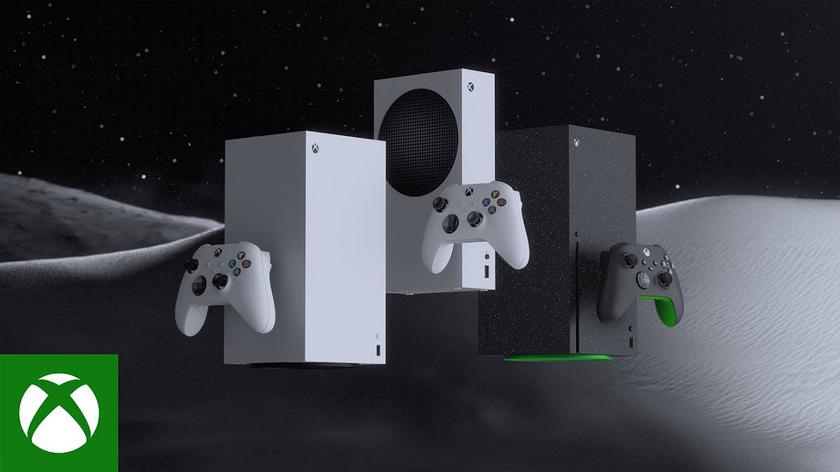
The gaming landscape is evolving rapidly, and Microsoft is keenly aware of the competitive pressures it faces. Recent insights from renowned journalist Jez Corden shed light on Microsoft’s ambitious plans for the next generation of Xbox consoles. According to Corden, who shared this information via his platform at Windows Central, Microsoft has officially approved the concept and design of its upcoming console, marking the beginning of an exciting new chapter for the gaming giant.
Development Timeline and Strategy
Corden reveals that the unveiling of the new Xbox console is not expected until 2026, a strategic delay that may allow Microsoft to refine its offering and build anticipation among gamers. Interestingly, reports suggest that this next-generation Xbox will hit the market before Sony’s highly anticipated PlayStation 6, positioning Microsoft to capture a significant share of the gaming market.
Despite a recent trend of declining public interest in the current Xbox series, with console sales experiencing a downturn for several consecutive quarters, Microsoft remains steadfast in its commitment to the console market. Data indicates that Xbox Series X|S sales have decreased by 20% year-over-year in the last quarter, highlighting the challenges faced by the brand. However, the company appears undeterred, continuing to invest heavily in its gaming ecosystem, which includes a robust lineup of games and subscription services.
Focus on Games and Services
Microsoft’s strategy appears to focus not just on hardware, but also on expanding its gaming services. The introduction of Game Pass, a subscription service that offers players access to a vast library of games for a monthly fee, has been a key component of this approach. As of October 2023, Game Pass has over 30 million subscribers, a significant increase from 18 million just a year prior. This growth indicates a strong interest in subscription-based gaming, which could provide a steady revenue stream even in the face of declining console sales.
| Year | Game Pass Subscribers (Millions) | Year-over-Year Growth (%) |
|---|---|---|
| 2021 | 18 | – |
| 2022 | 25 | 39% |
| 2023 | 30 | 20% |
In addition to Game Pass, Microsoft is reportedly developing a portable gaming device, although details about this initiative remain scarce. This move could signal a diversification of its gaming portfolio, catering to a wider audience eager for on-the-go gaming experiences.
The Competitive Landscape
As Microsoft prepares for the next generation of consoles, it faces fierce competition from Sony, which has historically dominated the console market. The PlayStation brand benefits from a loyal fanbase and a robust library of exclusive titles. According to recent statistics, the PlayStation 5 has sold over 40 million units globally since its launch in November 2020. In contrast, the Xbox Series X and S have sold approximately 20 million units during the same timeframe, highlighting a significant gap in market share.
This competitive environment underscores the importance of innovation in hardware and software. Microsoft appears to be banking on its extensive investments in cloud gaming and cross-platform play to appeal to a broader audience. The recent success of titles like "Halo Infinite" and "Forza Horizon 5" demonstrates that Microsoft can produce high-quality games, but the company will need to maintain and expand this momentum to compete effectively with Sony’s exclusive offerings.
Community Engagement and Feedback
One of the key factors influencing the success of the next-generation Xbox will be community engagement. Microsoft has made strides in incorporating gamer feedback into its development process, with initiatives like the Xbox Insider Program allowing players to test new features and provide input. This approach fosters a sense of community and can lead to a more refined product upon launch.
Conclusion
In summary, while the road ahead for Microsoft’s next-generation Xbox may seem challenging, the company’s strategic focus on innovative hardware, subscription services, and community engagement could position it well for the future. As it gears up for a 2026 launch, Microsoft is not just preparing a console; it’s cultivating an ecosystem that could redefine gaming. By prioritizing player experiences and expanding its service offerings, Microsoft is setting the stage for a competitive advantage in an ever-evolving industry. The gaming world will be watching closely as new developments unfold, and the anticipation surrounding the next Xbox console continues to build.
Leave a Reply