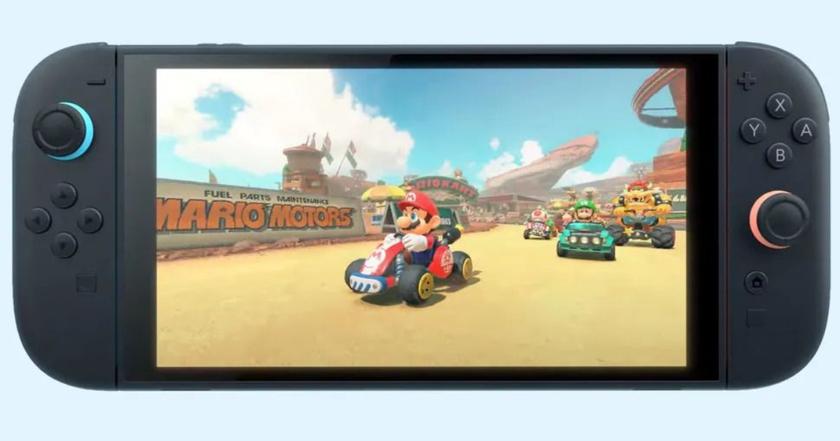
The Nintendo Switch 2 has emerged as one of the most anticipated gaming consoles of the year, with a price tag set at $450 in the United States. This cost, however, may not solely reflect the console’s features and capabilities; it could also be a direct result of the commercial tariffs instituted by former President Donald Trump. As the gaming community eagerly awaits the next iteration of Nintendo’s flagship device, it is crucial to explore the underlying factors influencing its pricing, particularly the implications of tariffs on production and consumer costs.
### The Impact of Tariffs on the Gaming Industry
Tariffs are taxes imposed on imported goods, designed to protect domestic industries by making foreign products more expensive. In recent years, the U.S. has seen fluctuating tariff rates, especially during Trump’s administration, which saw a significant increase in tariffs on several countries. Notably, China has been a focal point, with tariffs reaching up to 54%, while Japan faced a 24% increase. These high tariffs have a cascading effect on the pricing of consumer electronics, including gaming consoles.
Analysts suggest that Nintendo, anticipating these tariff impacts, may have embedded a “security mattress” in the price of the Nintendo Switch 2. This strategy involves pricing the console higher to offset potential costs incurred from tariffs, thereby shielding themselves from market volatility. Serkan Toto, a respected Japanese video game analyst and founder of Kantan Games, remarked that the price reflects Nintendo’s caution regarding the unpredictability of tariff enforcement. He emphasized that this pricing strategy suggests that the company is preparing for a scenario where tariffs could significantly affect supply chains and production costs.
### Shift in Production: A Strategic Move
In light of the tariffs, Nintendo has begun shifting its production away from China, where much of the company’s hardware has traditionally been manufactured. Reports indicate that over half of the components required for the Nintendo Switch 2 are now sourced from Vietnam and Cambodia. This strategic pivot is not without its challenges, as both countries face their own tariff implications. For instance, proposed tariffs of 46% on imports from Vietnam and 49% from Cambodia could further complicate Nintendo’s cost structure.
The Financial Times reported that, since the beginning of the year, hundreds of thousands of Nintendo Switch 2 consoles have already been produced in Vietnam and shipped to American factories. This proactive manufacturing strategy hints at Nintendo’s commitment to maintaining a steady supply of consoles while navigating the turbulent waters of international trade policies.
### Market Trends and Consumer Impact
As the gaming market evolves, the influence of tariffs on pricing extends beyond just the Nintendo Switch 2. The global video game industry has witnessed robust growth, with revenues projected to reach approximately $200 billion by 2023. However, increased prices due to tariffs could deter some consumers, particularly in a market where competition is fierce.
To understand the potential impact on consumers, consider the following breakdown of price increases across various gaming consoles as influenced by tariffs:
| Console Model | Original Price | Price Increase Due to Tariffs | New Price |
|———————|—————-|——————————-|————|
| Nintendo Switch 2 | $450 | $50 (estimated) | $500 |
| PlayStation 5 | $499 | $40 (estimated) | $539 |
| Xbox Series X | $499 | $40 (estimated) | $539 |
This table illustrates how tariffs could lead to a significant increase in the final retail prices of popular gaming consoles. With consumer spending power varying widely, such increases could result in a notable decline in sales, particularly among price-sensitive demographics.
### The Future of Gaming and Trade Policy
Looking ahead, the landscape of the gaming industry will likely continue to be shaped by trade policies and international relations. As companies like Nintendo adapt their strategies in response to tariffs, consumers may find themselves navigating a complex market where pricing is heavily influenced by geopolitical factors.
Moreover, the potential for further tariffs or shifts in trade policy remains a constant concern. Companies may need to explore alternative manufacturing locations or even consider investing in domestic production to mitigate risks associated with international tariffs.
In conclusion, the pricing of the Nintendo Switch 2 exemplifies the intricate relationship between global trade policies and consumer electronics pricing. As the industry braces for changes driven by tariffs, consumers and developers alike must stay informed and adaptable. The success of the Nintendo Switch 2—and indeed the broader gaming market—will depend on how effectively companies can navigate these challenges while delivering innovative products to eager consumers.
Leave a Reply