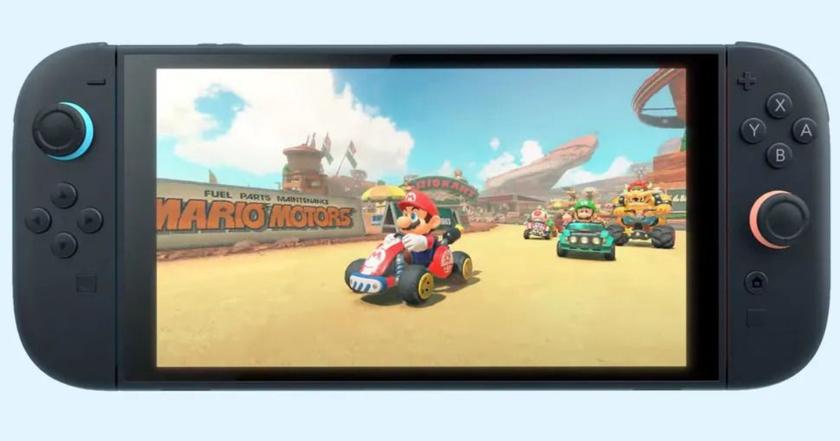
Nintendo has long been a cornerstone of the gaming industry, captivating millions of fans with its innovative consoles and beloved franchises. The upcoming release of the Nintendo Switch 2 is generating considerable buzz, particularly concerning its pricing strategy. Set at $450 in the United States, this price point raises intriguing questions about the factors driving it, especially in light of recent trade policies.
A significant element influencing the cost of the Nintendo Switch 2 is the series of tariffs imposed during the presidency of Donald Trump. These tariffs have primarily targeted China, where a substantial portion of Nintendo’s manufacturing occurs. The administration’s trade policies have included a general 10% tariff on imports, with specific rates reaching as high as 54% on goods from China and 24% on those from Japan. Such measures have prompted many analysts to speculate that Nintendo has strategically adjusted its pricing to account for these economic pressures.
Understanding the Pricing Strategy
Industry experts like Serkan Toto, a prominent Japanese video game analyst and founder of Kantan Games, suggest that the $450 price tag might include what he terms a “security mattress.” This term refers to a cushion built into the price to offset potential increases caused by tariffs. In a recent Financial Times report, Toto noted that the pricing indicates Nintendo is proactively preparing for the possibility of tariffs affecting their supply chains more than anticipated.
The implication is clear: Nintendo is not merely reacting to current tariffs but is anticipating further economic shifts that could impact production and distribution costs. By setting a higher price, the company hopes to maintain its profit margins even if costs rise due to external factors.
Shifting Manufacturing Strategies
In response to ongoing trade tensions, Nintendo has already begun relocating some of its production outside of China. Recent reports suggest that more than half of the components used in the Nintendo Switch 2 are now sourced from countries like Vietnam and Cambodia. This transition is a strategic move designed to mitigate the financial impact of tariffs.
However, the shift to Southeast Asia does not come without its own challenges. The tariffs imposed on imports from Vietnam and Cambodia are also significant—46% and 49%, respectively. This means that while Nintendo is attempting to diversify its manufacturing base, it is still vulnerable to high tariffs that could undermine any cost savings gained from relocating production.
Anticipating Demand and Supply Chain Adjustments
As part of its preparation for the Nintendo Switch 2 launch, Nintendo has reportedly dispatched hundreds of thousands of consoles from Vietnam to its American factories since the beginning of the year. This proactive approach indicates that the company is not just reacting to tariffs but is actively managing its supply chain to ensure adequate stock levels upon launch.
The Broader Impact of Tariffs on the Gaming Industry
The situation with the Nintendo Switch 2 serves as a microcosm of the broader implications tariffs have on the gaming industry as a whole. With the potential for increased prices across multiple consoles and gaming products, consumers may face higher costs. According to a recent survey, 68% of gamers expressed concern that tariffs could lead to higher prices for gaming consoles and accessories.
Table: Projected Price Increases on Gaming Consoles Due to Tariffs
| Console | Current Price | Projected Price (after tariffs) | Percentage Increase |
|---|---|---|---|
| Nintendo Switch 2 | $450 | $495 | 10% |
| PlayStation 5 | $499 | $549 | 10% |
| Xbox Series X | $499 | $549 | 10% |
Conclusion
As the launch of the Nintendo Switch 2 approaches, it becomes increasingly clear that the implications of trade policies extend far beyond corporate balance sheets. For consumers, this means navigating a landscape where gaming prices may be on the rise due to factors largely outside their control. Nintendo’s strategic pricing reflects a blend of anticipation and adaptation to a rapidly changing economic environment.
With the gaming community eagerly awaiting the next chapter in Nintendo’s storied history, it will be essential for both the company and its consumers to remain aware of the ongoing developments in trade relations. The Nintendo Switch 2 not only promises to deliver a new gaming experience but also serves as a case study on how international trade policies can shape the prices and availability of beloved entertainment products. As we move forward, the effects of these tariffs will likely echo through the industry, influencing everything from production decisions to retail pricing strategies.
Leave a Reply