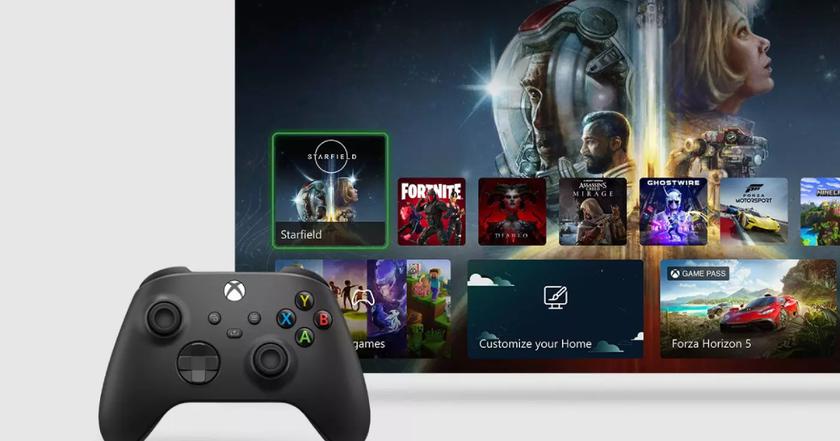
Microsoft is stepping boldly into the future of gaming with its recent announcement about the AI Muse model. This innovative tool, unveiled on February 20, is designed to revolutionize game development by generating concepts, visual effects, and enabling the adaptation of games across various platforms. With its development in collaboration with Ninja Theory, Muse is set to transform the gaming landscape, offering unprecedented levels of creativity and interactivity.
The Genesis of AI Muse
AI Muse is not just a theoretical concept; it has been developed using real-world data from Ninja Theory’s "Bleeding Edge." By leveraging this data, Muse can create high-quality, diverse game elements that are responsive to player actions and preferences. Microsoft’s CEO, Satya Nadella, emphasized the transformative potential of Muse, likening the experience of working with this AI to the groundbreaking moments experienced with other AI technologies, such as ChatGPT.
Enhancing Game Development
One of the core objectives behind Muse is to utilize gameplay data to generate games that are not only coherent but also rich in variety. This advancement aims to create a more engaging experience for players while maintaining the integrity of the game as it evolves. Nadella expressed excitement about the prospect of a catalog of projects that would harness this technology, stating, "One of the things we wanted to achieve is that, through the use of playability data, you can create games that are consistent and have the ability to generate variety."
| Feature | Description |
|---|---|
| Game Idea Generation | Muse can create original game concepts based on player preferences and gameplay data. |
| Visual Effects Creation | The model generates high-quality graphics and animations tailored to game mechanics. |
| Cross-Platform Adaptation | Muse enables seamless integration of games across different platforms, enhancing accessibility. |
| Dynamic Adaptation | The AI can modify game elements based on real-time player actions, ensuring a personalized experience. |
The Future of AI in Gaming
As AI technologies like Muse become more integrated into game development, the impact on the industry is expected to be profound. According to market research, the global video game industry is poised to reach $200 billion by 2023, with a significant portion of that growth attributed to AI-driven innovations. This surge is reflective of a broader trend where generative AI is being embraced across various sectors, including entertainment, healthcare, and finance.
However, the rise of AI in gaming has sparked concerns among industry professionals regarding job security and copyright issues. Critics worry that the automation of certain creative processes could lead to job losses for artists, designers, and developers. Despite these concerns, there are voices of optimism within the industry. Take-Two Interactive’s CEO, Strauss Zelnick, argues that AI can actually create more job opportunities. He believes that the efficiency and creativity brought by AI could lead to an expansion of the industry, facilitating the creation of new roles that focus on oversight, integration, and enhancement of AI technologies.
Balancing Innovation and Employment
The introduction of AI Muse raises important questions about the future of work in the gaming sector. While some roles may evolve or become obsolete, new opportunities will likely arise that require a different set of skills. As AI takes over routine tasks, professionals will need to adapt by focusing on areas that require human creativity, critical thinking, and emotional intelligence.
| Potential Job Roles in AI-Enhanced Gaming | |
|---|---|
| AI Game Designer | Focuses on integrating AI tools into game creation. |
| AI Ethics Consultant | Ensures responsible use of AI in game development. |
| Player Experience Analyst | Analyzes player interactions with AI-generated content. |
| Creative Director | Oversees the artistic vision while collaborating with AI tools. |
The Road Ahead
As Microsoft continues to refine the capabilities of AI Muse, the gaming community eagerly anticipates the first wave of games that will utilize this technology. The potential for rapid prototyping, personalized gaming experiences, and enhanced visual storytelling is immense. Players may soon find themselves immersed in worlds that are not only visually stunning but also uniquely tailored to their preferences and play styles.
In conclusion, Microsoft’s introduction of AI Muse marks a significant turning point in the gaming industry. By harnessing the power of artificial intelligence, the company aims to foster creativity, enhance player engagement, and redefine the gaming experience. While challenges such as job displacement and copyright concerns loom on the horizon, the overall outlook remains optimistic. The fusion of AI and gaming promises not just an evolution in how games are made, but a revolution in how they are experienced, with the potential to enrich both the industry and its audience. As the landscape continues to change, one thing is clear: the future of gaming is not just being played; it’s being created with the help of AI.
Leave a Reply